


Home Inspection Guide
Understand The Home. Buy With Confidence.
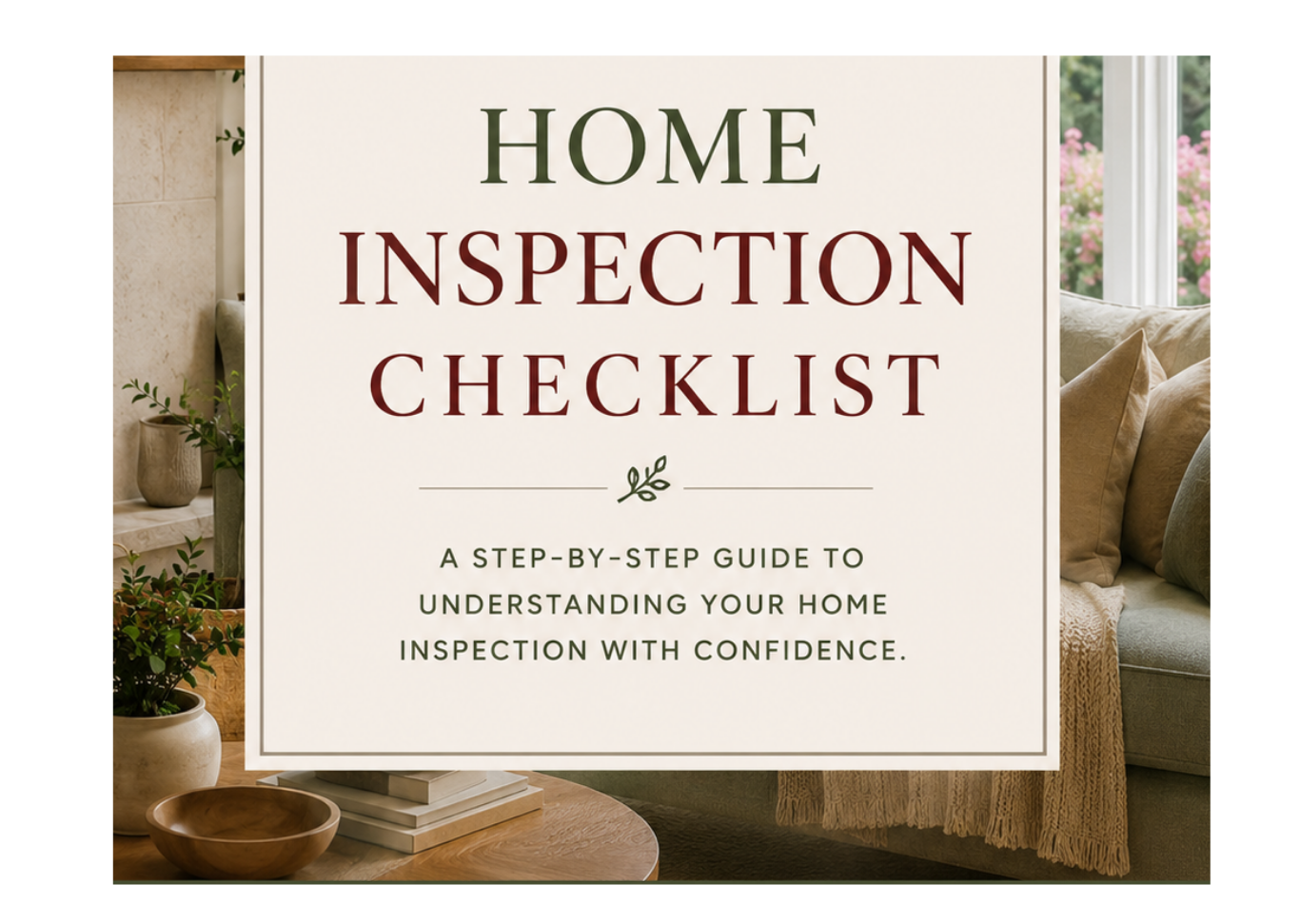
A home inspection can reveal important information about a property’s condition before closing. Our downloadable Home Inspection Guide helps buyers understand what Ohio home inspectors typically evaluate, what questions to ask, and when additional specialty inspections may be worth considering.

What You’ll Learn
-
![House icon with magnifying glass, indicating home inspection or real estate search.]()
Ohio Inspection Basics
Understand what a standard Ohio home inspection generally convers-and what it does not.
-
![Icon of a checklist with three items marked off on a clipboard, in green and red outline.]()
System-By-System Checklist
Follow along with the checklist for the roof, structure, electrical, plumbing, HVAC, interior, exterior, and built-in appliances.
-
![Illustration of a clipboard checklist with three checkmarks and lines of text]()
Inspection Report Checklist
Learn the difference between routine maintenance, recommended repairs, and possible safety concerns.
-
![Outline of a house in red and green with a magnifying glass containing an exclamation point, symbolizing home inspection or inspection alert.]()
Specialty Inspections
Learn about radon, sewer scopes, wood-destroying insects, old, septic systems, well water, chimneys, pools, and structural evaluations.
-
![Icon of a clipboard with a checklist, featuring four checkmarks and lines next to each.]()
Questions To Ask
Bring helpful questions to your inspection and use the included space to record answers.
-
![Outlined icon of a document with lines of text and a pen, in red and green colors, representing writing or editing a document.]()
Inspection Summary
Keep major findings, recommended specialists, and follow-items organized in one place.
A Practical Guide You Can Bring With You
This guide was designed to help you feel prepared before, during, and after the inspection. Download it to your phone, print it, or bring it with you as you walk through the property.
Ohio-specific inspection information
Printable checklists and note sections
Clear explanations without technical overload
HomeRoots Hint:
A home inspection is not a pass-or-fail test. Nearly every home will have findings. The goal is to understand the property’s condition, identify concerns, and decide what additional information you may need before moving forward.
What Is the Difference?
Standard Home Inspection
A licensed home inspector visually evaluates readily accessible systems and components, such as:
Structure
Roofing
Exterior
Plumbing
Electrical
Heating and cooling
Interior
Insulation and ventilation
Built-in appliances
Specialty Inspection
A separate specialist may be needed to evaluate conditions outside the standard inspection’s scope, including:
Radon
Sewer lines
Wood-destroying insects
Mold
Septic systems
Private Wells
Chimneys
Pools and spas
Structural concerns
Not every property requires specialty inspection. The property’s age, location, features, disclosures, and inspection findings may help determine which evaluations are appropriate.
FAQs

-
Absolutely! While it’s not required, attending at least the final portion of your home inspection is highly recommended. Your inspector can walk you though their findings, point out important maintenance items, answer your questions, and help you better understand the home’s condition. It’s a great opportunity to learn about the property before closing.
-
No. A home inspection is a visual evaluation of the homes readily accessible systems and components on the day of the inspection. Inspectors cannot see behind walls, under floors, or the inside concealed areas, so it’s possible that some issues may not be discovered. The inspection is designed to help identify significant concerns and provide a clearer picture of the home’s overall condition.
-
Most home inspections take 2-4 hours, depending on the size, age, condition, and complexity of the property. Larger homes or homes with additional structures may take longer. Your inspector will let you know approximately how much time to expect.
-
Typically, no. A standard home inspection does not usually include specialty inspections. Depending on the property, your inspector may recommend additional evaluations such as:
Radon testing
Wood-destroying insect(termite) inspection
Sewer scope
Mold inspection
Well water testing
Septic inspection
Chimney inspection
Roof inspection
Structural or foundation evaluation
Your real estate advisor can help determine whether any specialty inspections are recommended for your specific home.
-
Once your inspection report is complete, you’ll review the findings with your HomeRoots Group advisor. Together, we’ll discuss any significant concerns, determine what repairs or credits (if any) may be appropriate to request, and help you make and informed decision about your next steps. We’ll guide you through the inspection contingency process and advocate for your best interests every step of the way.
Have Questions About Buying a Home?
Our team is here to help you understand the process and connect you with the appropriate professionals when needed.